Boutique Merchants Explore Automated Synchronization Tools for Blending Mobile Wallets and Digital Currencies in Compliance-Heavy Markets
Written by Zoe Klein · Sep 27, 2026

Boutique Merchants Explore Automated Synchronization Tools for Blending Mobile Wallets and Digital Currencies in Compliance-Heavy Markets
Small retailers operating in tightly regulated environments have begun testing automated synchronization platforms that align mobile wallet transactions with digital currency flows while maintaining adherence to evolving compliance standards, and observers note this shift gained momentum through the first half of 2026 as transaction volumes in mixed payment channels continued to rise. These tools handle real-time reconciliation between systems such as near-field communication wallets and blockchain-based assets, reducing manual oversight that previously created bottlenecks for merchants handling cross-border sales.
Market Pressures Driving Adoption
Regulatory frameworks across multiple jurisdictions require merchants to verify customer identities, monitor transaction patterns, and report suspicious activity within strict timeframes, yet boutique operators often lack dedicated compliance teams; automated synchronization systems address this gap by embedding rule-based checks directly into the payment workflow. Data compiled by the Bank for International Settlements indicates that digital currency usage in retail settings expanded notably between 2024 and 2026, prompting vendors in sectors like specialty goods and artisanal products to seek integrated solutions rather than separate processing streams.
Merchants in regions with layered oversight, including the European Union and parts of North America, face additional requirements around anti-money laundering protocols and consumer protection rules, and synchronization software now incorporates modules that flag discrepancies automatically before funds settle. One study released by the European Central Bank highlighted how such automation lowered error rates in multi-rail environments during pilot programs conducted in late 2025, allowing smaller businesses to maintain operational continuity without expanding staff.
Core Features of Synchronization Platforms
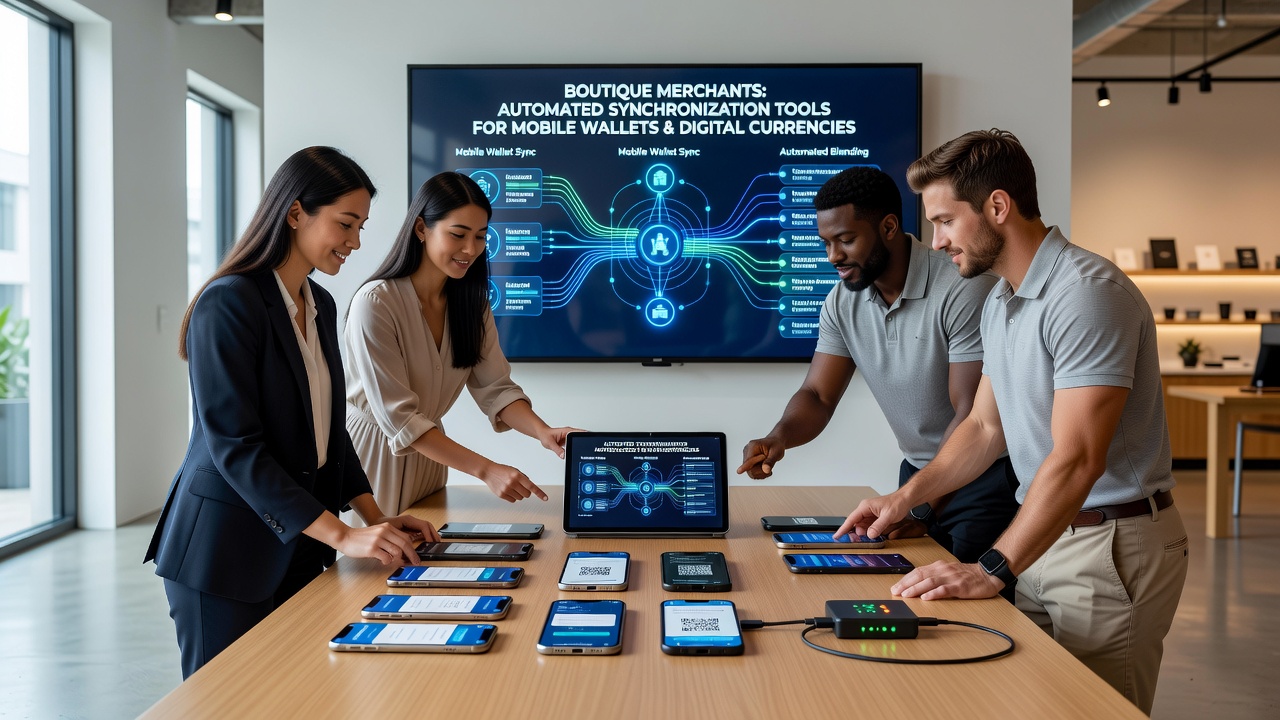
Modern tools rely on application programming interfaces that pull data from mobile wallet providers and digital currency exchanges into a unified ledger, enabling merchants to view aggregated balances and compliance status in a single interface while algorithms scan for duplicate entries or threshold breaches. These platforms also support configurable rulesets that adapt to jurisdiction-specific mandates, such as those governing virtual asset service providers, and updates can be deployed centrally to reflect new guidance issued by authorities.
Integration typically occurs through secure cloud connections that encrypt transaction metadata during transfer, and testing in September 2026 showed reduced latency when merchants processed simultaneous wallet and crypto payments during peak sales periods. Retailers handling niche inventories, from organic textiles to limited-edition collectibles, report that the systems streamline reconciliation tasks that once consumed hours each week, freeing resources for inventory and customer service functions.
Implementation Patterns Among Boutique Operators
Specialty shops have adopted phased rollouts, beginning with domestic mobile wallet pairings before layering in digital currency options once internal controls stabilize, and case examples from Canadian markets illustrate how mid-sized vendors integrated these tools ahead of seasonal demand spikes without disrupting existing card processing setups. Training for staff focuses on dashboard navigation and exception handling rather than deep technical knowledge, since the automation layer manages most routing decisions.
Industry reports from Payments Canada note that synchronization reduces settlement delays associated with cross-asset conversions, allowing merchants to access funds more predictably even when operating under strict reporting calendars. Vendors in compliance-intensive sectors such as health supplements and imported electronics have documented fewer audit queries after implementing these systems, as audit trails are generated automatically and stored with timestamped metadata.
Challenges and Ongoing Adjustments
Despite the efficiencies, merchants encounter hurdles around API compatibility when wallet providers update their protocols, requiring periodic recalibration of synchronization rules to avoid transaction mismatches. Regulatory changes, including those anticipated from Australian oversight bodies in the coming quarters, may necessitate further software refinements, and operators monitor official channels to anticipate shifts that could affect digital currency handling thresholds.
Cost structures vary by provider, with some platforms offering subscription models tied to transaction volume while others charge per integration module, yet smaller retailers weigh these fees against the expense of manual compliance processes that previously led to occasional processing holds. Research from academic institutions tracking fintech adoption shows that businesses investing in these tools early often achieve faster scaling in multi-jurisdiction sales compared with peers relying on fragmented systems.
Conclusion
Boutique merchants navigating compliance-heavy markets continue to refine their use of automated synchronization tools as digital currency integration expands alongside established mobile wallet channels, and available evidence points to measurable gains in operational efficiency and regulatory alignment. Continued development of these platforms, informed by data from entities such as the Federal Reserve, is expected to support broader adoption among independent retailers seeking to manage blended payment streams without proportional increases in administrative overhead.