Charting Compliance Pathways for Boutique Retailers Merging Mobile Transactions with Blockchain-Based Payments
Written by Zoe Klein · Nov 22, 2026
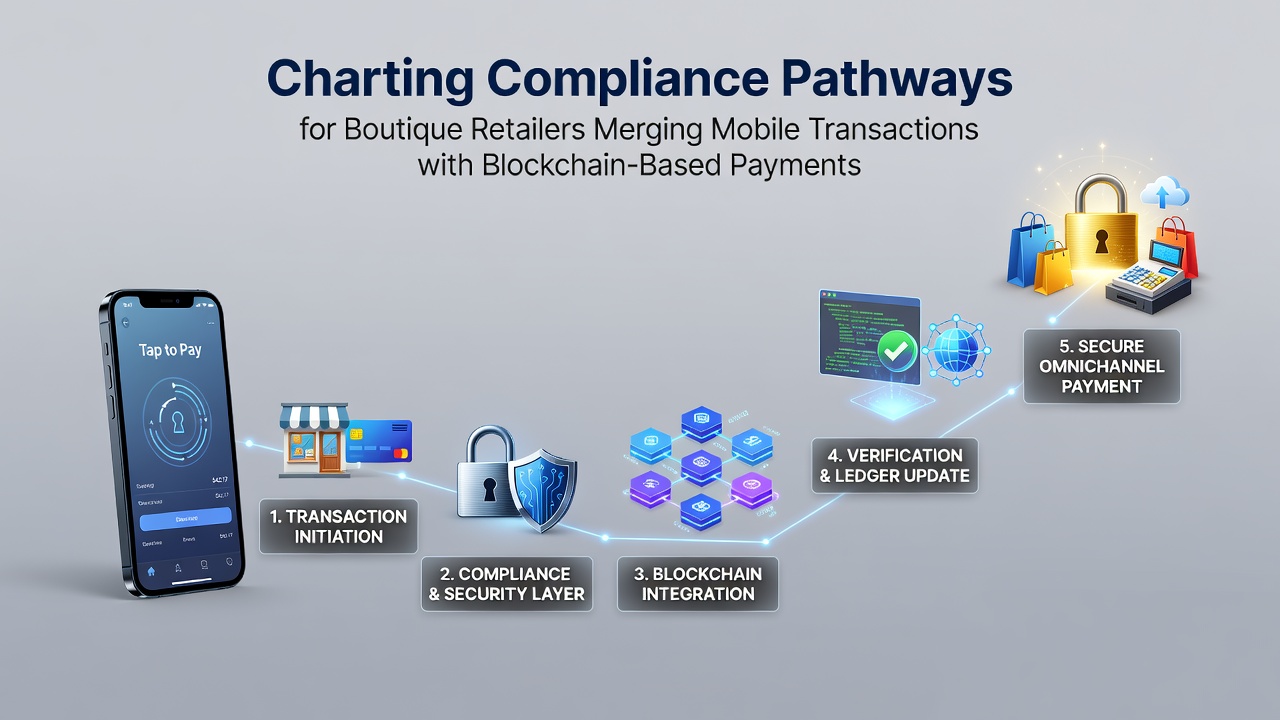
Charting Compliance Pathways for Boutique Retailers Merging Mobile Transactions with Blockchain-Based Payments
Boutique retailers face distinct hurdles when they blend mobile transaction systems with blockchain-based payments, and compliance pathways have emerged as the central focus for those operations since early 2025, with fresh regulatory updates expected across multiple jurisdictions by November 2026. Data from industry tracking firms shows that small-format stores handling under 500 daily transactions often adopt hybrid rails to reach younger customers who prefer instant settlement through digital wallets and distributed ledger confirmations, yet these setups trigger layered oversight from both traditional payment networks and emerging virtual asset rules.
Regulatory Frameworks Shaping Integration
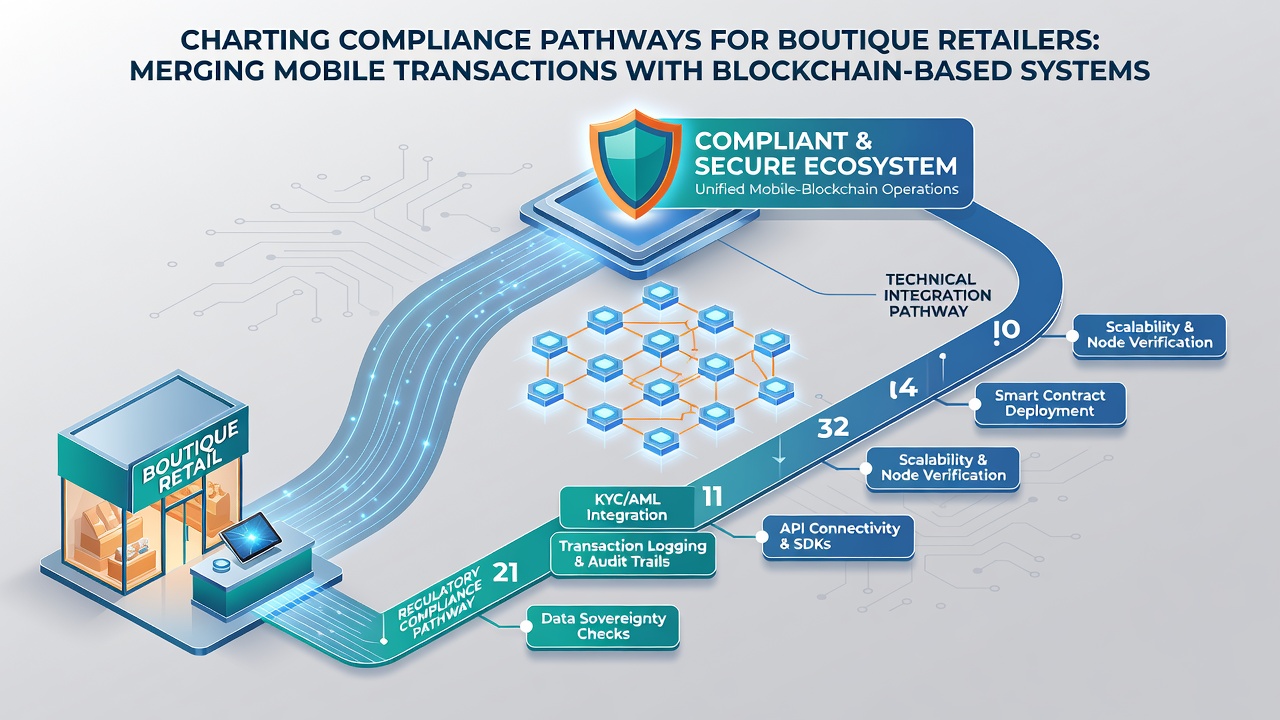
Retailers must map their processes against overlapping standards that cover anti-money laundering checks, consumer data protection, and transaction reporting, while observers note that boutique operations in urban centers have started pilot programs that route mobile-initiated transfers through blockchain nodes for final settlement. The European Union's Markets in Crypto-Assets regulation, available through official channels at ec.europa.eu digital finance pages, outlines licensing steps for entities handling virtual assets alongside fiat rails, and similar guidance from the US Treasury's Financial Crimes Enforcement Network emphasizes customer identification protocols that apply equally to mobile apps and ledger entries. Those who've studied boutique cases point out that stores selling specialty goods frequently encounter state-level variations in sales tax collection when blockchain timestamps determine the moment of sale, which forces owners to align mobile receipt systems with ledger audit trails to avoid discrepancies during reviews.
Technical Steps for Secure Mobile-Blockchain Flows
Implementation begins with selecting gateways that support both near-field communication for in-store mobile taps and cryptographic signing for on-chain records, and researchers at academic centers have documented how boutiques configure these tools to generate unified compliance logs. One study from a North American business school revealed that stores using automated reconciliation software reduced reporting errors by 37 percent when mobile transaction IDs were automatically cross-referenced with blockchain hashes, while another project tracked Canadian retailers who embedded geolocation stamps into every ledger entry to satisfy provincial consumer protection statutes. And yet the process demands ongoing monitoring because protocol upgrades on public blockchains can alter fee structures or confirmation times, requiring merchants to adjust their mobile interfaces without disrupting daily sales cycles.
Case Examples from Regional Markets
Take one retailer in a mid-sized Australian market who synchronized a mobile point-of-sale application with a permissioned blockchain network to handle both card-present sales and tokenized payments, and findings from that deployment showed that quarterly compliance filings became more streamlined once the system automatically flagged high-value transfers for enhanced due diligence. Similar patterns appear in reports covering Southeast Asian vendors, where mobile-first boutiques integrated stablecoin options under guidance issued by the Monetary Authority of Singapore, leading to documented reductions in cross-border settlement delays without triggering additional licensing reviews. Observers note that these examples share a common thread: early mapping of every data point from the mobile device through to final ledger confirmation helps satisfy auditors who examine both traditional payment rails and virtual asset movements during the same review cycle.
Preparing for November 2026 Deadlines
With new reporting templates slated for release in several regions by November 2026, boutique operators have begun stress-testing their combined systems against proposed requirements for real-time visibility into mobile-blockchain transaction pairs. Figures released by the Bank for International Settlements indicate that jurisdictions aligning their rules around shared data standards have seen faster adoption among smaller retailers, because unified formats cut the administrative burden of maintaining separate records for each payment type. Retailers who maintain clear audit trails that link a customer's mobile device identifier to the corresponding blockchain transaction hash find it easier to respond to information requests, and this approach also supports smoother integration with emerging open-banking frameworks that allow secure sharing of verification details across approved parties.
Conclusion
Compliance pathways for boutique retailers combining mobile and blockchain payments rest on consistent documentation, aligned technical configurations, and proactive alignment with evolving standards across regions, and the evidence collected so far shows that stores investing in unified logging systems encounter fewer interruptions when new rules take effect. Those monitoring developments through November 2026 and beyond continue to track how smaller operations adapt their processes to meet both legacy card network expectations and distributed ledger oversight without expanding headcount or infrastructure costs.