Community Insights Chart Security Tradeoffs for Mobile and Digital Asset Account Pairings
Written by Jonas Fischer · Nov 8, 2026
Community Insights Chart Security Tradeoffs for Mobile and Digital Asset Account Pairings
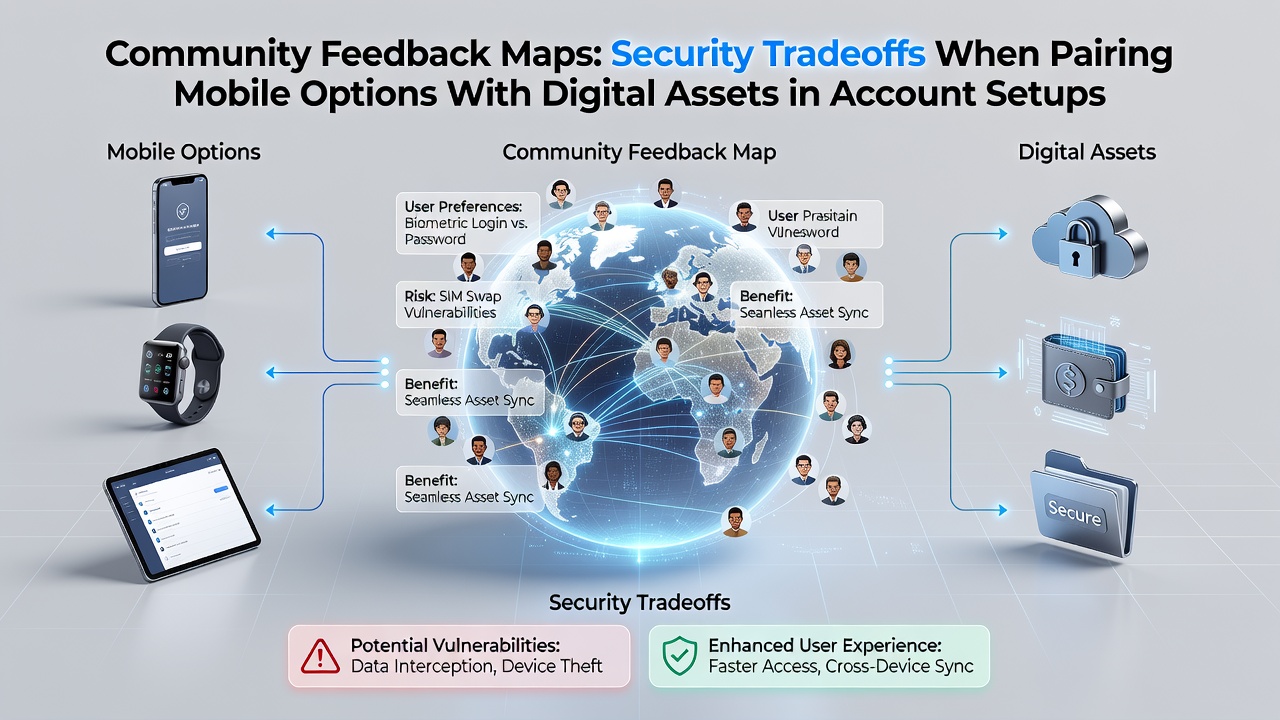
Community discussions across forums and review platforms have started mapping the security balances that arise when users combine mobile payment applications with digital asset holdings inside single account frameworks, and data collected through late 2026 shows steady growth in these hybrid configurations. Observers note that November 2026 brought fresh reports from regulatory bodies tracking adoption rates, with figures indicating more account holders linking wallet apps to cryptocurrency modules than in prior periods.
Core Elements of Mobile and Digital Asset Pairings
Account setups that merge mobile interfaces with digital asset storage rely on layered authentication protocols, including biometric checks alongside private key management systems, yet these combinations introduce specific vulnerabilities around data synchronization and key recovery processes. Researchers at academic institutions have documented how users often activate multi-factor methods through phone-based authenticators while maintaining seed phrases for asset wallets, and studies reveal that synchronization errors between the two rails can expose temporary gaps during transaction confirmations.
Those who examine user reports find that mobile options provide convenient access through push notifications and QR scanning, whereas digital asset components demand stricter controls such as hardware wallet backups and address whitelisting to reduce unauthorized transfers. Evidence from aggregated feedback highlights cases where account holders experienced delays when attempting to move funds between the mobile layer and the asset module, prompting adjustments in security settings that sometimes reduced friction at the cost of added verification steps.
Security Tradeoffs Identified Through Feedback Channels
Feedback collected from developer communities and payment user groups points to recurring patterns where convenience features like auto-login on mobile devices clash with the need for cold storage practices in digital asset accounts. Data indicates that enabling seamless transfers between these elements can shorten processing times, but it also increases exposure to phishing attempts targeting unified login credentials. According to a report from the National Institute of Standards and Technology, updated frameworks in 2025 emphasize separate credential stores for each payment rail to limit cross-contamination risks during breaches.
People who review transaction logs in these hybrid systems frequently encounter situations where biometric data from the mobile side gets cached alongside asset wallet metadata, creating potential single points of failure if device security is compromised. Turns out that community threads from 2026 detail recovery scenarios in which users lost access to mobile-linked assets because seed phrase backups were stored within the same application ecosystem, leading to revised practices that separate storage locations entirely.
Regional Variations in Implementation and User Reports
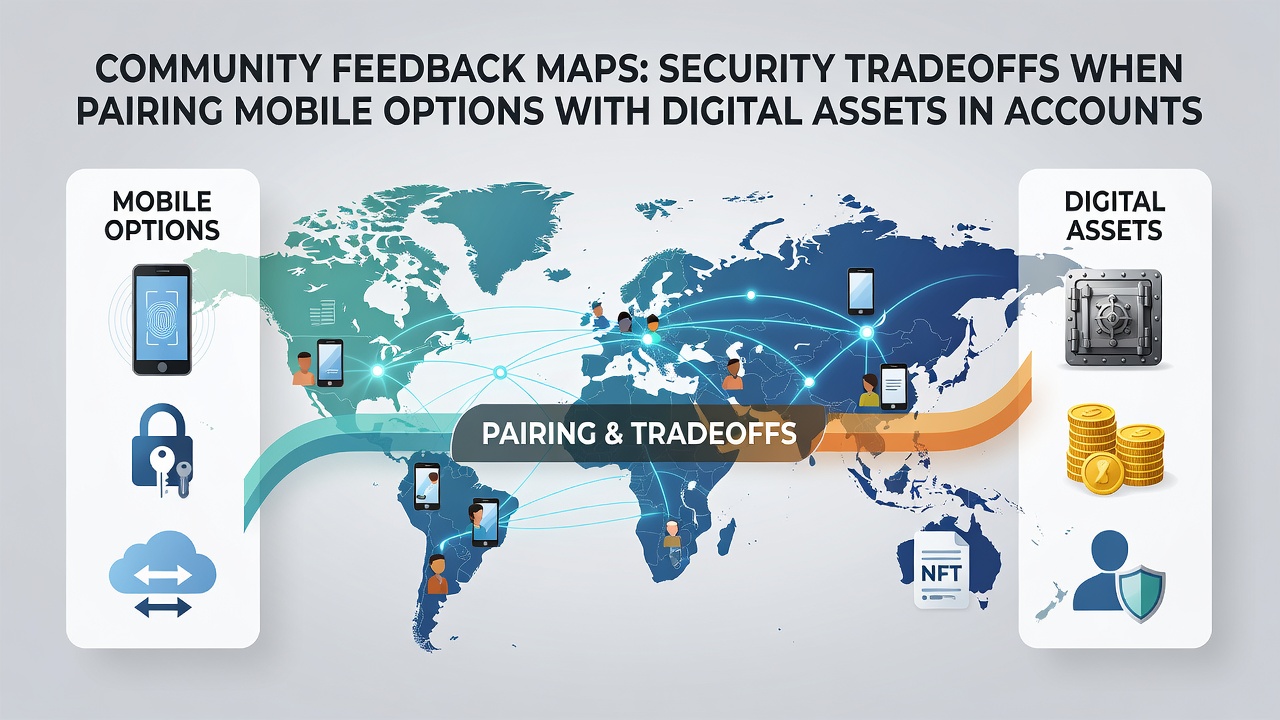
Analyses from different markets show that account configurations in North America tend to prioritize regulatory compliance tools such as transaction monitoring tied to both mobile and asset segments, while European setups often incorporate stricter data localization rules that affect how feedback gets shared across borders. A study released by the Bank for International Settlements in early 2026 examined cross-rail setups and found that regions with clearer guidelines on digital asset custody reported fewer incidents of unauthorized access when mobile pairings were involved.
Feedback maps compiled by industry observers reveal that users in Asia-Pacific areas experiment more frequently with automated routing between mobile wallets and digital assets, yet these experiments sometimes bypass certain security checkpoints to achieve faster settlement. Figures from payment processor aggregates demonstrate that such shortcuts correlate with higher rates of disputed transactions, prompting platform operators to introduce optional verification pauses that communities have both praised and criticized in equal measure.
Practical Adjustments Based on Collective Experience
Account holders who participate in shared knowledge bases describe iterative changes to their setups, such as disabling cloud backups for asset keys while retaining them for mobile preferences, and these modifications often stem directly from shared case examples of prior losses. Research indicates that integrating address verification services across both components reduces routing errors, although it adds processing layers that slow certain high-volume operations.
Those monitoring compliance trends note that updated standards from bodies like the European Securities and Markets Authority encourage segmented logging for mobile versus asset activities, allowing clearer audit trails when community-reported issues surface. What's interesting is how these segmented approaches have influenced software updates released around November 2026, with developers incorporating user-suggested toggles that let individuals control the degree of integration between the two systems.
Conclusion
Collective input continues to refine the understanding of security balances in these account pairings, with ongoing data collection through community channels providing actionable details on protocol adjustments and risk mitigation tactics. As configurations evolve, the patterns documented in feedback maps offer structured guidance for balancing accessibility with protection across mobile and digital asset elements.